Quickstart Guide
 GraphQL Reference
GraphQL Official Documentation
What is a GraphQL Query?
A GraphQL query is a request made by a client to retrieve specific data from a GraphQL API. It allows the client to specify exactly what data it needs and in what format, providing a more efficient and flexible approach compared to traditional REST APIs.
In a GraphQL query, the client specifies the fields it wants to fetch and the relationships between them. This allows the client to retrieve only the necessary data, reducing the amount of unnecessary data transfer and improving performance.
The query is structured in a hierarchical manner, resembling the shape of the desired data structure. The client sends this query to the GraphQL server, which then responds with the requested data, matching the structure specified in the query. This enables the client to get precisely the data it needs, avoiding over-fetching or under-fetching of data.
Overall, a GraphQL query empowers clients to define the shape and structure of the data they want to retrieve, providing a more efficient and flexible way to interact with APIs.
What is a GraphQL Mutation?
A GraphQL mutation is a request made by a client to modify or update data on the server using a GraphQL API. While queries are used to fetch data, mutations are used to make changes to the data, such as creating, updating, or deleting records.
Mutations are similar to queries in GraphQL syntax, but they are explicitly labeled as mutations to indicate their intention to modify data. A mutation consists of a specific operation, such as "create," "update," or "delete," followed by the fields and arguments necessary to perform the desired data modification.
For example, a mutation to create a new user may include fields like name, email, and password, along with their corresponding values. The mutation is then sent to the GraphQL server, which executes the requested operation and returns the result, typically including any modified data or a confirmation message.
GraphQL mutations provide a standardized and predictable way to modify data on the server, enabling clients to precisely define the changes they want to make. They offer a flexible and efficient approach for managing data mutations in GraphQL APIs.
 Development Environment
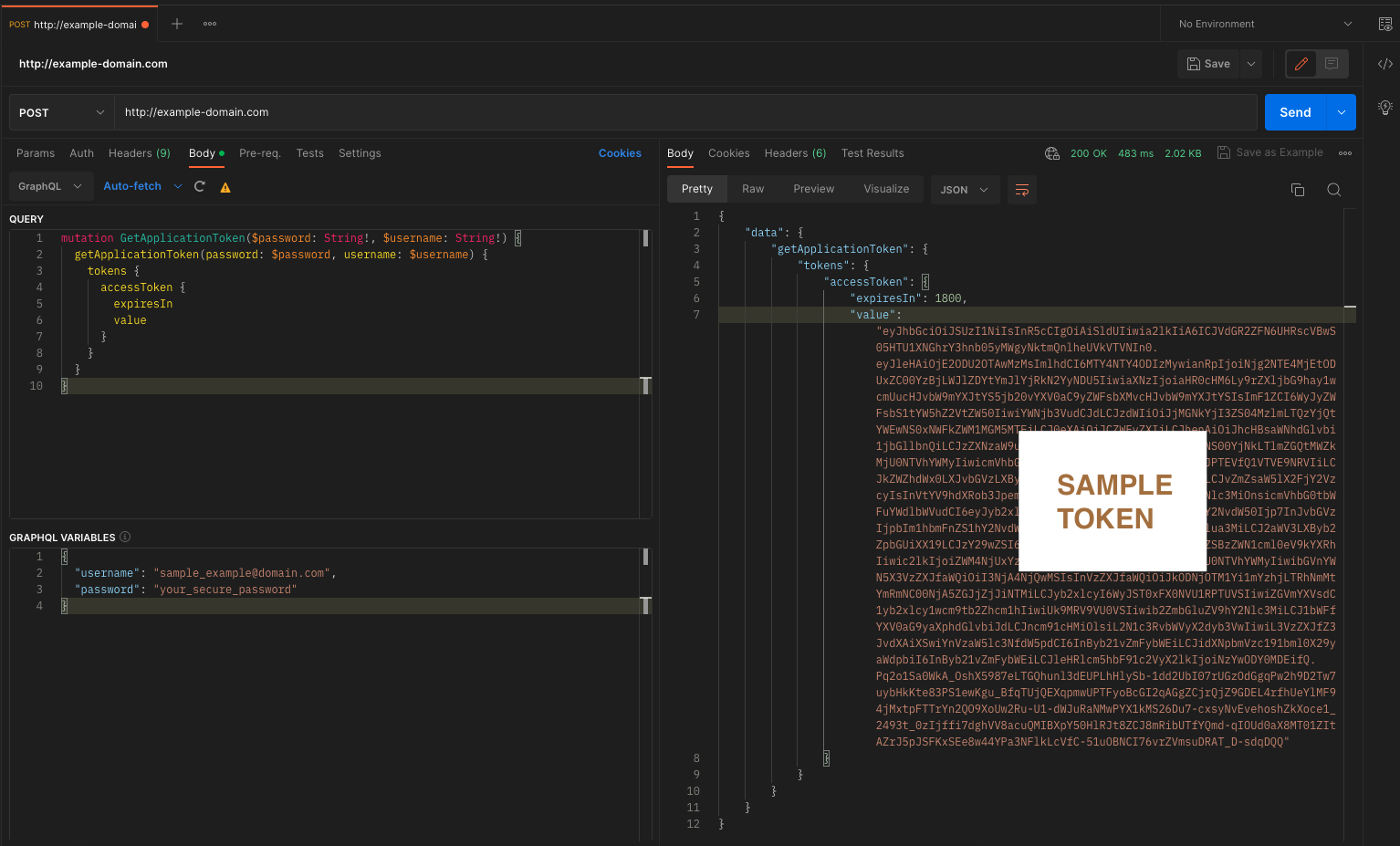
To execute and test our queries and mutations, you can execute them manually using our live dev environment or using Postman
If you prefer to use Postman, make sure to set the GraphQL type in the "Body" section
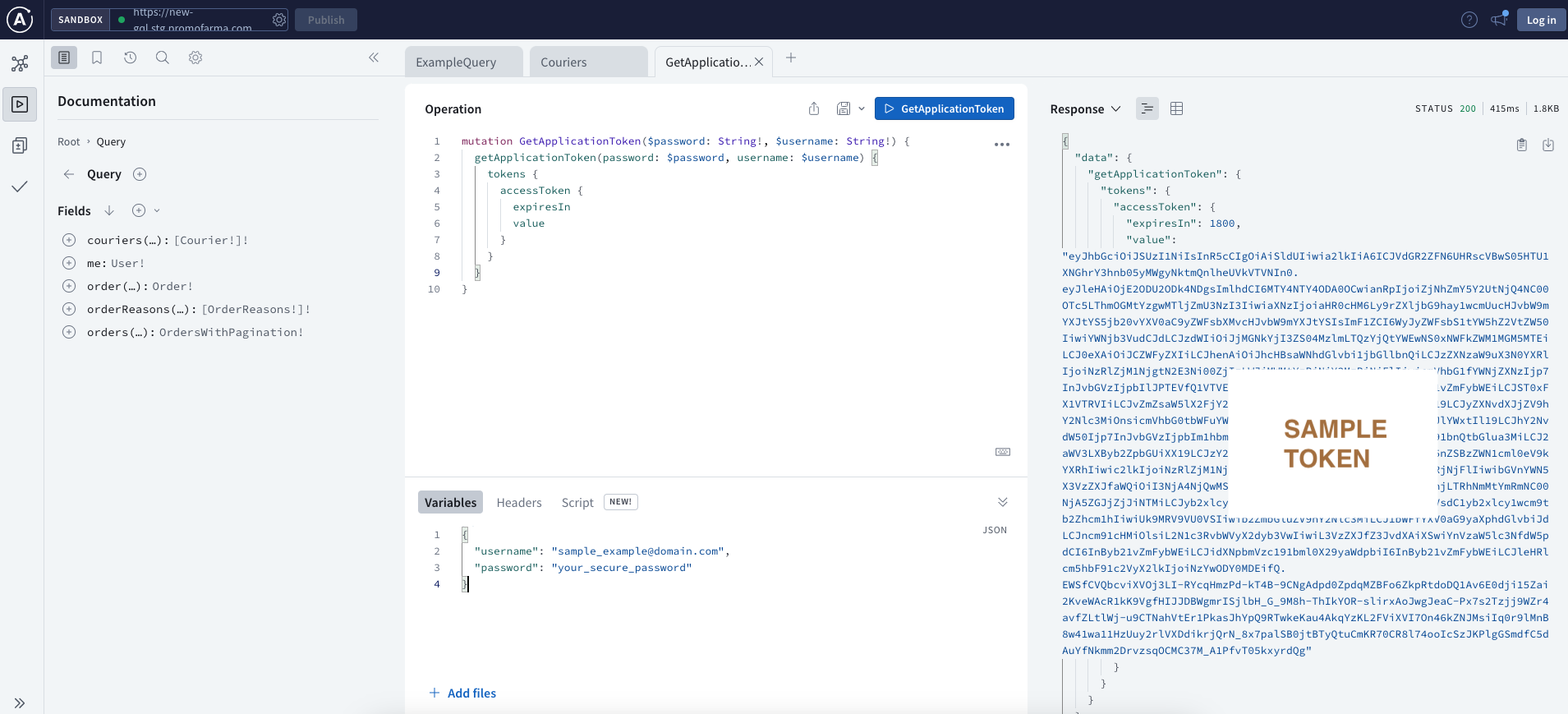
In addition, you can use an embeded web-app to interact with our GraphQL Server
 Authentication
Every request to our API, is authenticated, so you have to request a JWT first, and use it in every request.
You can check the Authentication Section